
1031 exchange warehouse strategies are critical for sellers facing strict IRS deadlines—45 days to identify property and 180 days to close.
The Tax Trap of Selling Your Warehouse
Selling a warehouse can trigger significant capital gains taxes—particularly when values have climbed. Sellers often ask: “What can I do about taxes when I sell my warehouse?” Without planning, you could lose 20–25% of the proceeds to federal and state taxes, shrinking your reinvestment power or draining your equity. The stakes are high, especially in today’s competitive real estate market.
Smart Tax Strategies: 1031 Exchanges, Cost Segregation, and Early Planning
Here’s how to take control and keep more of what you earn:
1. Use a 1031 exchange to defer capital gains
Under Section 1031 of the Internal Revenue Code, you can postpone paying capital gains taxes if you reinvest the proceeds from your warehouse into another “like-kind” property, such as another industrial or commercial asset.
2. Consider cost segregation before you sell
Order a cost segregation study before listing your 1031 exchange warehouse. A cost segregation study reclassifies parts of your property—like HVAC, lighting, or flooring—into shorter depreciation schedules. That accelerates deductions and boosts cash flow in the years leading up to a sale.
3.Talk with tax advisors early
Because 1031 exchanges carry strict deadlines—45 days to identify replacement property and 180 days to close—advisors urge sellers to start planning before listing their warehouse.
Real Results: 1031 Exchange Warehouse Success in Boulder
- 1031 Exchange Validity: The IRS confirms that taxpayers can defer capital gains by reinvesting into like-kind property through a 1031 exchange.
- Cost Segregation Benefits: Real-world cases show cost segregation often shifts 20–40% of a property’s value into faster depreciation categories, producing six-figure savings per million of property cost.
- Early Advisor Engagement: Financial publications warn that strict timelines make professional guidance critical to avoid disqualification and surprise tax bills.
This $9.56M 1031 exchange warehouse acquisition
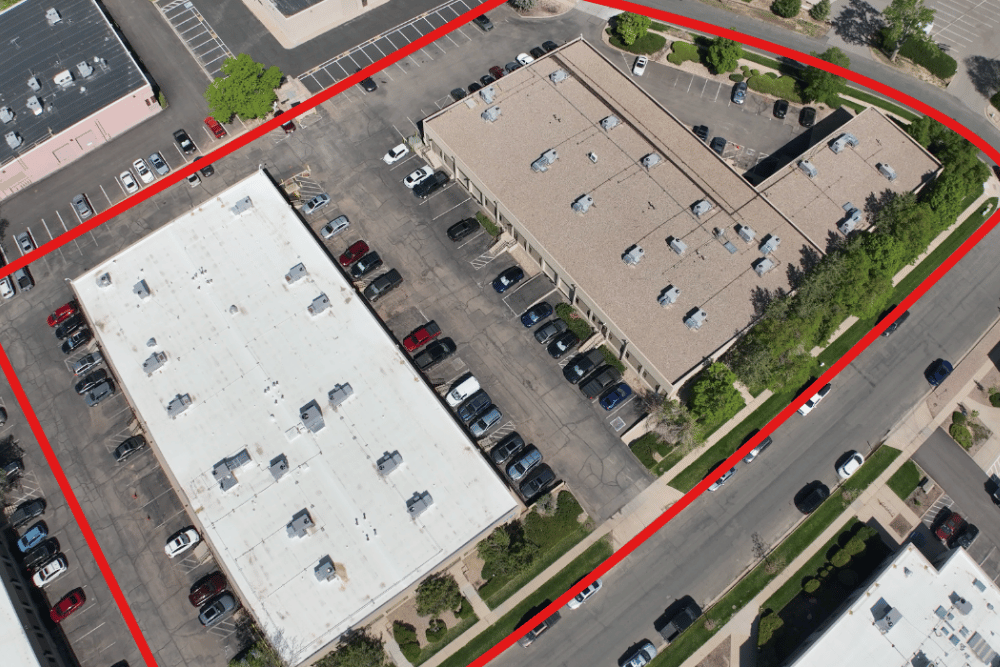
In August 2025, Rafael Weiss, Co-Founder of Sytes and Managing Member of JW Advance, worked with Aviva Sonenreich of The Warehouse Hotline to complete a $9.56M 1031 exchange acquisition in Boulder, Colorado. The deal involved two industrial buildings totaling 44,175 square feet.
Facing a tight 1031 deadline, Weiss needed an industrial property with strong fundamentals: a credit tenant, a lease with term, and a cap rate above 7%. Aviva identified not only a qualifying property but also secured an additional off-market asset, turning it into a unique assemblage. The anchor tenant, BAE Systems—a global defense contractor with decades-long tenancy—offered mission-critical stability and a >7% return profile.
This real-world success illustrates how strategic advisory and market relationships transform a pressured 1031 timeline into a win, preserving capital gains, diversifying portfolios, and locking in long-term returns.
Read More: Boulder Warehouse Sale: $9.56M Industrial Deal Success
Steps You Can Take Today to Maximize Tax Savings
- Consult a qualified real estate tax advisor or CPA—ideally one with 1031 and cost segregation expertise.
- Order a cost segregation study before listing your warehouse to capture accelerated deductions.
- Plan your timeline—replacement property must be identified within 45 days and closed within 180 days.
- Document everything—depreciation schedules, exchange timelines, and intermediary records.
- Execute with discipline—the right structure ensures you preserve equity and maximize reinvestment.
By combining a 1031 exchange, cost segregation, and early tax strategy—with expert guidance like The Warehouse Hotline—you can significantly reduce your tax burden and keep more equity working for you.
Q1:What is a 1031 exchange warehouse?
A1: It’s a tax-deferred property swap where warehouse owners reinvest sale proceeds into like-kind assets.
Q2: Can I do partial 1031 exchange if I don’t reinvest all proceeds?
A2: Yes—tax is due only on the portion not reinvested, allowing partial deferral.
Q3: How soon should I conduct a cost segregation study before selling?
A3: Ideally at least several months before listing—early enough to quantify accelerated deductions in your tax planning.
Q4: What happens if I miss the 45-day identification deadline?
A4: You forfeit eligibility for the 1031 exchange, and the sale becomes fully taxable.
Q5: Will cost segregation increase depreciation recapture tax later?
A5: It can—but with proper planning, the deferral and time value often outweigh recapture costs.
👉 Follow Aviva and The Warehouse Hotline for exclusive insights, expert tips, and behind-the-scenes content on:
- Website: The Warehouse Hotline
- TikTok: @avivarealestate
- Instagram: @avivarealestate
- X (Twitter): Aviva – Denver – Warehouse
- Facebook: Aviva Sonenreich’s Denver Commercial Real Estate | Warehouse Hotline
- LinkedIn: Aviva Sonenreich | Warehouse Hotline
Sources
- Internal Revenue Service, Like-Kind Exchanges Under IRC Section 1031 – IRS Fact Sheet FS-2008-18
- Kiplinger, 1031 Exchange Playbook for Property Owners (2025) – Kiplinger.com
- Business Insider, Top Tax Strategy for Real Estate Investors: Cost Segregation Studies (April 2025) – BusinessInsider.com
- Charles Schwab, Deferring Taxes on Investment Property Sales with 1031 – Schwab.com