If you’re an owner wondering how to lease warehouse quickly without discounting rent, you’re not alone. Long vacancies drain cash and stall momentum. The key is combining the right pricing strategy with smart marketing and highlighting the operational features tenants care about most.
Every month your warehouse sits vacant, your cash flow suffers. The carrying costs—mortgage, taxes, insurance, and utilities—don’t stop just because your tenant hasn’t signed yet. Many owners think the only solution is to slash rent, but that usually backfires. The real question is: how do you lease a warehouse quickly without discounting rent?
The 3 Keys to Faster Leasing at Market Rates
1. Win Fast with Smart Pricing
Setting the correct rent upfront is critical if you want to lease warehouse quickly. Overpricing causes vacancies to drag on for months, while underpricing leaves money on the table.
- Check local comps: Review recent leases in your submarket for warehouses of similar size and condition. This gives you a pricing baseline.
- Adjust for property condition: If your property is newly renovated, has updated lighting, or includes modern amenities, you can justify being slightly above average rents.
- Factor in tenant demand: If vacancy rates in your area are low, you can push closer to the higher end of market rent. If supply is high, staying competitive is smarter than waiting months for a tenant willing to pay top dollar.
- Use professional valuation: Brokers often have access to real-time leasing data you won’t find online, helping you pinpoint the sweet spot.
Correct pricing signals to tenants that you’re serious—and it prevents your listing from going stale.
2. Maximize Market Exposure
LoopNet is a starting point, not the finish line. To lease warehouse quickly, your property needs visibility across multiple channels where real tenants are looking:
- Broker relationships: Industrial brokers maintain active tenant pipelines. A trusted broker can bring you prospects who aren’t even searching online yet.
- Local and national CRE networks: Professional associations, chambers of commerce, and networking groups can spread the word about your property to companies looking to expand.
- Direct targeted outreach: Many successful leases happen when owners (or brokers) contact businesses directly—especially logistics companies, manufacturers, and distributors. Reaching out to growing companies before they start searching gives you a head start.
The broader your exposure, the faster you’ll connect with serious tenants ready to sign.
3. Focus on Tenant Priorities
Tenants don’t just rent square footage—they rent functionality. If you want to lease warehouse quickly, market the operational features that solve real business needs:
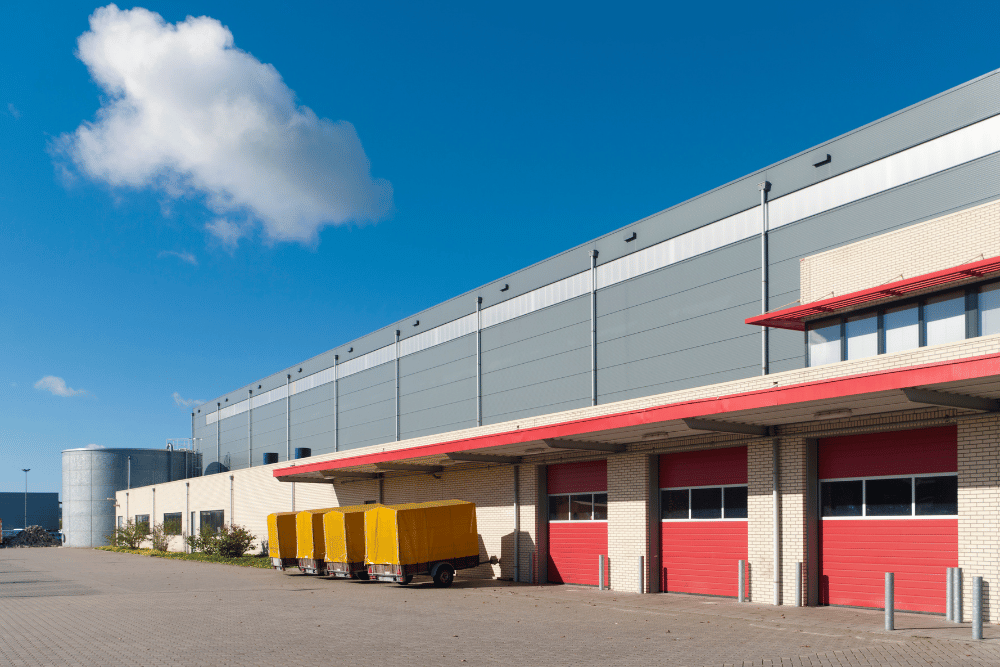
- Truck courts and dock doors: Efficient loading and unloading can save tenants hours every week, which translates into lower costs.
- Yard space: Extra outdoor storage is highly valuable for tenants with containers, trailers, or equipment. This feature can set your property apart immediately.
- Ceiling height: Tall clear heights allow tenants to install racking systems and maximize storage efficiency. A few extra feet can double usable capacity.
- Proximity to major highways or distribution hubs: Fast access to interstates, ports, or airports can be the deciding factor for logistics-heavy tenants.
When you highlight benefits instead of just specs, you show tenants exactly how your property supports their business growth.
Data Insights: What Works in Warehouse Leasing Today
- Warehouse vacancy rates are climbing: U.S. vacancy rates reached 7.1% in Q2 2025—the highest level in more than a decade. This means competition for tenants is increasing, and landlords need sharper strategies to lease quickly. (WSJ)
- Cautious leasing amid economic uncertainty: Industrial deal volume has slowed, and new construction starts are falling. In this environment, owners who rely solely on listing portals like LoopNet risk longer vacancies, while those who use broker networks and proactive outreach are filling spaces faster. (WSJ)
- Operational features attract attention: While there isn’t a universal percentage metric, brokers consistently report that tenants prioritize truck courts, yard space, ceiling height, and access to highways over basic square footage. These features often become the deciding factor in whether a property gets leased first.
Want a real example?
The Warehouse Hotline recently helped an owner lease a warehouse that sat empty for weeks—no bites. We didn’t cut rent. We repositioned the listing, activated our tenant network, and emphasized high-value features. Leased in 14 days. At full asking.
Apply These Strategies Now
If your warehouse is sitting vacant, don’t wait for the market to come to you. To lease warehouse quickly:
- Re-evaluate your pricing against comps and adjust if necessary.
- Partner with an experienced broker to expand your marketing reach.
- Rewrite your listing to emphasize truck access, yard space, and ceiling height.
By positioning your property the way tenants actually search, you’ll lease your warehouse quickly without cutting rent.
Q1: How can I lease my warehouse quickly?
A1: Price it right, market beyond LoopNet, and highlight tenant-focused features.
Q2: Do I need a broker to lease a warehouse?
A2: Yes—brokers give you access to networks and tenants you won’t find online.
Q3: What features matter most to tenants?
A3: Truck access, yard space, ceiling height, and location near highways.
Q4: Will lowering rent lease my warehouse faster?
A4: Not necessarily—correct pricing plus exposure is more effective.
Q5: How long does it take to lease a warehouse in the U.S.?
A5: Well-priced warehouses with strong marketing often lease in 30–90 days.
👉 Need help with leasing strategy? Follow Aviva and The Warehouse Hotline for exclusive insights, expert tips, and behind-the-scenes content on:
- Website: The Warehouse Hotline
- TikTok: @avivarealestate
- Instagram: @avivarealestate
- X (Twitter): Aviva – Denver – Warehouse
- Facebook: Aviva Sonenreich’s Denver Commercial Real Estate | Warehouse Hotline
- LinkedIn: Aviva Sonenreich | Warehouse Hotline
- CRE Secrets: Spotify | Apple | Website
Looking to lease or list a similar asset? Trust Aviva Sonenreich and The Warehouse Hotline—experts in Denver’s niche industrial real estate sector.