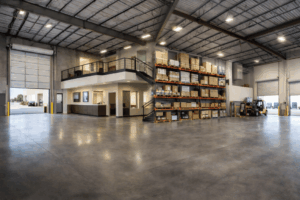

Denver industrial vacancy risk planning is no longer optional for landlords and investors — it’s essential. With vacancy rates climbing and lease-ups stretching longer than a decade ago, industrial owners must structure their leases, design properties, and budget reserves with risk in mind.
How to safeguard your investment when vacancies strike:
1. Protect Yourself with the Right Lease
Most Denver industrial leases run 5–7 years, long enough to provide steady income but flexible enough to adjust with the market. Denver Industrial Vacancy Risk Planning starts here, with the lease structure you choose.
- Triple-net (NNN) leases: Tenants cover taxes, insurance, and maintenance, protecting landlords from rising costs.
- Bondable/Absolute NNN leases: Strong-credit tenants cover nearly every property expense, offering maximum long-term security.
Tip: Smart Denver Industrial Vacancy Risk Planning always begins with the lease itself.
2. Position your property to keep tenants longer
Tenants don’t just rent space — they rent functionality. Properties that outperform in retention often have:
- High clear-ceiling heights
- Multiple dock doors
- Secure yard space
Logistics and manufacturing tenants, once settled in an efficient facility, are far less likely to leave. Strong tenant retention is one of the most effective forms of vacancy risk planning in Denver industrial real estate.
3.Plan for vacancy before it happens
Even the best properties experience downtime. Smart investors plan ahead by:
- Budgeting 6–12 months for vacancy
- Reserving for tenant improvements (TIs) and leasing commissions
- Recognizing that current lease-ups can take 12–18 months — the slowest absorption cycle in over a decade (Wall Street Journal)
Takeaway: In today’s market, conservative planning simply isn’t optional — it’s essential for success.
Denver data proves the point
In Q2 2025, Denver’s industrial vacancy rate hit 7.9% — a clear sign of slowing absorption. CBRE reported that a national retailer vacated 355,000 square feet while a manufacturer placed 800,000 square feet on the sublease market. These examples show how quickly space can return to landlords and disrupt market stability.
Nationally, the Wall Street Journal confirmed that industrial vacancy reached a 10-year high of 7.1%, with lease-up timelines extending well past a year.
Together, these reports form a clear picture: vacancy is not hypothetical — it’s the central challenge Denver industrial vacancy risk planning is designed to address.
Your next steps
- Audit your leases: Prioritize strong-credit tenants on long-term NNN or bondable leases.
- Enhance property features: High ceilings, ample docks, and yard space keep tenants sticky.
- Build your reserves: Budget for 6–12 months of OPEX, plus tenant improvements and leasing commissions.
- Track the market: Review quarterly vacancy reports to stay ahead of shifts in demand.
When you focus on Denver Industrial Vacancy Risk Planning upfront, you’re not caught off guard when a tenant leaves. You’re prepared, protected, and positioned to keep your Denver industrial investment strong.
Q1. How long are industrial leases in Denver?
A1. Most run 5–7 years, within a 3–10 year range.
Q2. What does a triple-net lease protect against?
A2. It shifts taxes, insurance, and maintenance to the tenant.
Q3. What is a bondable lease?
A3. It requires tenants to cover virtually all obligations, even extraordinary costs.
Q4. What is Denver’s current industrial vacancy rate?
A4. Around 7–8% as of Q2 2025.
Q5. How long does it take to re-lease industrial space?
A5. Lease-ups often run 12–18 months in today’s market
Your Commercial Real Estate Edge — Connect with Aviva & The Warehouse Hotline Today
👉 Follow Aviva and The Warehouse Hotline for exclusive insights, expert tips, and behind-the-scenes content on
- Website: The Warehouse Hotline
- TikTok: @avivarealestate
- Instagram: @avivarealestate
- X (Twitter): Aviva – Denver – Warehouse
- Facebook: Aviva Sonenreich’s Denver Commercial Real Estate | Warehouse Hotline
- LinkedIn: Aviva Sonenreich | Warehouse Hotline
- CRE Secrets: Spotify | Apple | Website
Have questions or ready to grow your CRE marketing? Reach out anytime — Aviva’s here to help you succeed.
Sources:
- CBRE, Denver Industrial Figures, Q2 2025
- Wall Street Journal, Industrial Leasing Report, 2025