Uncertainty Returns: The Shutdown Ripple in CRE
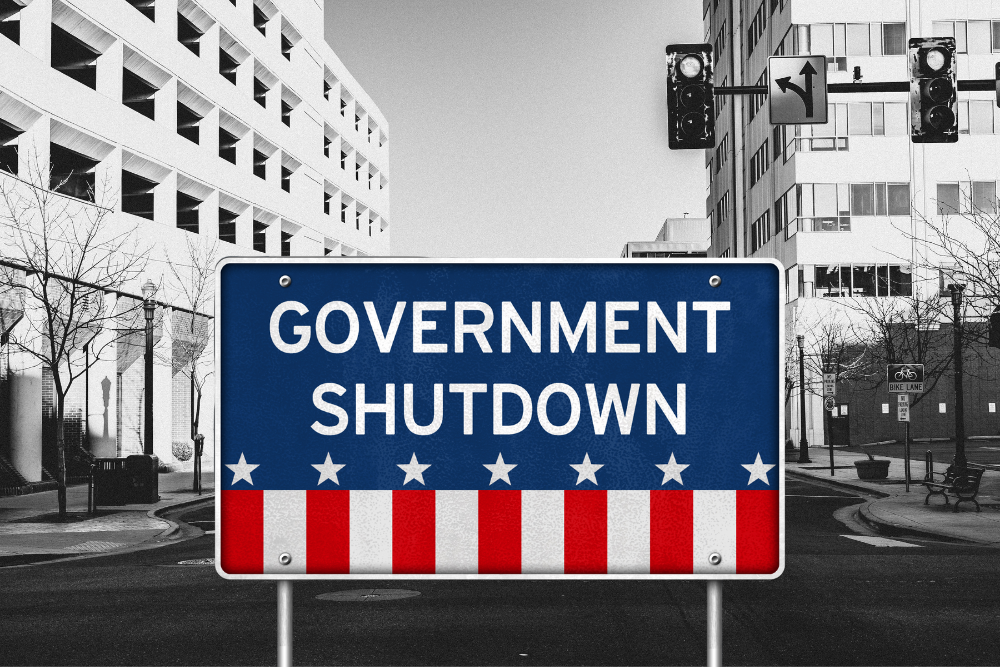
Uncertainty has returned to the U.S. economy, and this time, it’s coming from Washington.
As the threat of a federal government shutdown looms, commercial real estate leaders are bracing for ripple effects: delayed financing, frozen permits, and shaken investor confidence.
While office and retail sectors typically feel the first impact, warehouse and industrial real estate — especially in logistics hubs like Denver, Colorado — are beginning to experience subtler but significant slowdowns within the Denver Warehouse Market.
From paused SBA-backed loans to delayed EPA and DOT permit reviews, the consequences of a government shutdown can quietly stall construction pipelines, lease renewals, and even asset valuations across the Denver Warehouse Market.
The real question now:
How deep could this go, and what should Denver warehouse owners prepare for?
Problem: When Policy Uncertainty Meets Property Decisions
The last major U.S. government shutdown, which stretched 35 days in 2018–2019, disrupted billions in real estate transactions nationwide. During that time, federally backed loans were frozen, permit approvals slowed, and commercial real estate (CRE) deal volume dropped by roughly 15%.
In 2025, the Denver warehouse market again finds itself watching Washington. And while industrial real estate remains among the most resilient CRE sectors, it’s still tethered to federal systems, from loan programs and market data reporting to investor sentiment.
Developers are pausing speculative projects, lenders are tightening credit standards, and investors are adopting a cautious “wait and see” stance. These early ripples signal prudence, not panic.
Denver’s industrial sector is weathering familiar turbulence. It echoes the financing and development delays of 2018–2019, but this time, with stronger fundamentalsand steadier demand behind it.
Solution: Focus on Fundamentals, Liquidity, and Local Resilience
When national uncertainty rises, local strategy becomes the differentiator.
For Denver warehouse owners and industrial investors, resilience starts with preparation. The best way to weather policy-driven slowdowns in the Denver Warehouse Market is to stay lean, liquid, and locally informed.
- Protect liquidity: SBA and federally backed loans often slow during shutdowns due to limited federal staffing or IRS data access. Maintaining extra cash reserves provides insulation against short-term financing disruptions in the Denver Warehouse Market.
- Partner with local lenders: Denver-based and regional banks, less dependent on federal systems, often keep transactions moving when national programs pause. Strengthen relationships early.
- Reassess development timelines: Prioritize projects that align with Denver’s demand drivers, such as e-commerce, manufacturing, and cold storage. Let local demand, not federal drama, set your pace.
In uncertain cycles, execution discipline beats expansion. The investors best positioned to move when clarity returns are those who protect capital and relationships today.
Proof: How Federal Turbulence Reaches Industrial Real Estate
Even for the warehouse sector, typically resilient in economic shocks, the ripple of a federal shutdown still hits key touchpoints:
- Financing delays: During the 2018–2019 shutdown, the Small Business Administration (SBA) halted new loan approvals, delaying over $2 billion in funding. Similar disruptions could reappear if IRS or SBA systems pause again, affecting projects within the Denver Warehouse Market.
- Investor caution: Shutdowns fuel Treasury market volatility, widening cap rate spreads. Many institutional investors pause acquisitions until budget clarity returns — creating temporary slowdowns in deal flow.
- Construction recalibration: Developers depend on federal economic data and certain environmental reviews to time project launches. When those data feeds or permits are frozen, new builds can be deferred until clarity returns.
These disruptions don’t sink markets — they delay momentum. For owners and developers in the Denver Warehouse Market, it’s less about collapse and more about timing around the pause.
Action: How Denver Warehouse Owners Can Prepare
- Engage tenants early: Tenants connected to defense, infrastructure, or federal contracts may face delayed payments. Open communication preserves stability.
- Review leases and insurance: Check exposure to federal programs like the National Flood Insurance Program (NFIP), which can lapse during shutdowns.
- Reassess refinancing windows: Post-shutdown rate adjustments may present favorable refinancing opportunities — especially for stabilized, cash-flowing assets.
- Rely on local market data: Federal data releases may stall, but metro vacancy, absorption, and rent comps offer clearer signals for real-time decision making.
Prepared owners don’t fear shutdowns — they use them as strategy resets in the Denver Warehouse Market.
When Washington Stalls, Denver Adapts
A government shutdown won’t shutter Denver’s warehouse market — but it can disrupt deal flow, delay financing, and test investor patience.
The takeaway: Resilience isn’t about avoiding turbulence — it’s about managing it.
By focusing on liquidity, local intelligence, and strong tenant relations, warehouse owners position themselves to thrive once the federal lights turn back on across the Denver Warehouse Market.
In real estate and logistics alike, momentum always returns to those who plan through the pause.
Q1: How would a shutdown affect warehouse lending?
A1: SBA and federally backed loans may face delays due to limited staffing and IRS data access.
Q2: Will leasing activity slow in Denver?
A2: Slightly — tenants may pause expansion plans, but core demand for logistics and cold storage remains stable in the Denver Warehouse Market.
Q3: Are new developments at risk?
A3: Only marginally. Speculative projects may be delayed until federal data and permits resume.
Q4: How can owners protect cash flow?
A4: Strengthen reserves, engage tenants early, and explore local bank financing options.
Q5: What’s the long-term impact?
A5: Minimal. Once the government reopens, activity typically rebounds quickly, especially in strong markets like the Denver Warehouse Market.
Follow Aviva and The Warehouse Hotline for exclusive insights, expert tips, and behind-the-scenes content on
- Website: The Warehouse Hotline
- TikTok: @avivarealestate
- Instagram: @avivarealestate
- X (Twitter): Aviva – Denver – Warehouse
- Facebook: Aviva Sonenreich’s Denver Commercial Real Estate | Warehouse Hotline
- LinkedIn: Aviva Sonenreich | Warehouse Hotline
- CRE Secrets: Spotify | Apple | Website
See how a potential U.S. government shutdown could affect your Denver warehouse — and learn how to protect financing, permits, and deal flow in Colorado’s industrial market.
Sources
- The 2018 to 2019 Partial Government Shutdown’s Impact (Holland & Knight)
- Impact of a 2018 Government Shutdown on the Small Business Community (House Democrats small business committee report)
- What a Government Shutdown Means for SBA Loans (NerdWallet)
- The Government Shutdown Puts Small Business Lending on Ice (Forbes)
- Denver MarketBeat Reports – Denver Industrial Report (Cushman & Wakefield)