
Beginner’s Guide to Investing in Commercial Real Estate
Are you ready to start your journey as a commercial real estate investor? If you are willing to do your research, take meaningful risks, and remain vigilant throughout the process you will see success. Although the industry can be competitive, it is one of the most lucrative industries in the world.
Investing in commercial real estate can be scary at first, but the only way to learn is to transact and get your hands dirty. This article will cover all of the fundamentals of investing in commercial real estate.
What is Commercial Real Estate Investing?
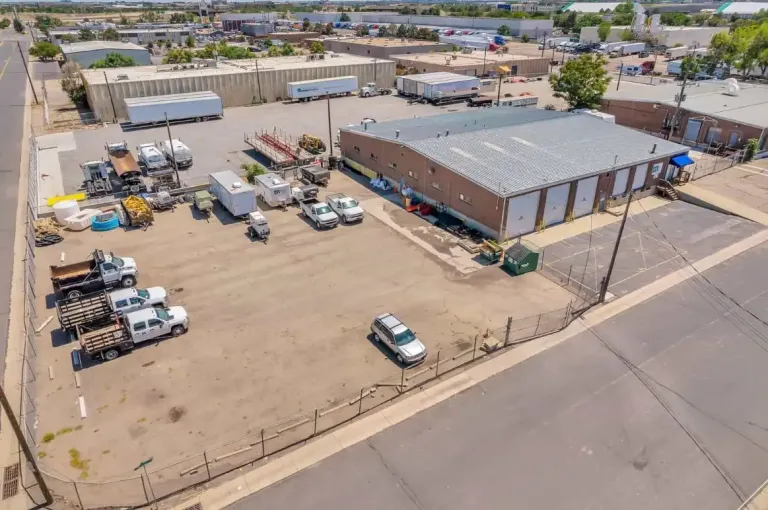
In contrast to residential real estate, which is used for housing, commercial real estate is generally more business focused. Properties that fall into this category can range from restaurants and shopping centers to offices and warehouses. When you invest in commercial real estate, you are buying commercial properties.

The Types of Commercial Real Estate Investments
Commercial real estate investments are classified into two types: direct and indirect.
Direct Commercial Real Estate Investment:
When someone buys a commercial real estate property to profit from it by holding, flipping, or renting it out, they are said to be directly investing in the commercial real estate market. Because you are essentially purchasing properties, this type of investment necessitates extensive research to ensure that you are getting a good deal.
Indirect Commercial Real Estate Investment:
When an individual purchases shares in a real estate investment trust (REIT) or real estate investment group (REIG) that deals exclusively with commercial properties, they invest indirectly in the commercial real estate market. A REIT is an organization that buys and sells real estate investments. An indirect investment gives you a stake in a company or property without actually giving you ownership of the underlying asset.
The Benefits of Commercial Real Estate Investing
It is anticipated that in 2022, the value of construction starts in the United States will be around 135 billion dollars. There is an excellent opportunity in this market for those willing to take the risk.
Direct real estate investment requires a solid understanding of the fundamentals and careful property analysis. Direct real estate investment can yield a higher profit than indirect methods, but the latter has different advantages to offer as well. Indirect real estate investing makes it possible to profit from the real estate market without owning a direct stake in a property or having to assume high risks.
The benefits of directly investing in the commercial real estate market can include:
- it gives the owner full control of the asset
- it provides the opportunity for tax deferrals
- it allows for full transparency.
- It enables proper portfolio diversification
- it plays a role in the value-preservation of the underlying investment
The benefits of indirectly investing in the commercial real estate market can include:
- it provides a substantial and consistent annual dividend
- it enhances the chance of long-term capital growth
- it is simple to sell and buy
- it aids in diversifying your portfolio
Commercial Real Estate Investing: The Steps to Getting Started
If you’ve decided to invest in commercial real estate directly, you’ll need to do your due diligence. Because you will be taking on more risk and investing a larger sum of money, you must conduct proper due diligence before closing a deal.
Investing in commercial real estate indirectly is less complicated and does not require you to take on significant risk. All you have to do is find a REIT or REIG worth investing in and purchase shares based on your risk tolerance.