What if someone moved into your vacant property, claimed to be a tenant, and refused to leave? Or worse, what if someone fraudulently transferred your property’s deed without your knowledge?
For landlords and real estate investors, squatters and title fraud can threaten property ownership, rental income, and investment value. And these risks aren’t limited to residential properties. Vacant warehouses and commercial buildings can also become targets.
So how can property owners recognize the warning signs, protect their investments, and respond before the damage becomes even more costly?
In this episode, Aviva Sonenreich and George McCleary, CEO of Defender Networks, discuss how squatters and property title fraud affect real estate owners, the vulnerabilities that criminals exploit, and practical steps landlords can take to reduce their exposure.
The conversation explores how squatters may use fraudulent leases, utility accounts, and signs of occupancy to complicate removal efforts. George explains why visibly neglected or unmonitored properties can be attractive targets and how regular inspections and basic property maintenance can help discourage unauthorized occupancy.
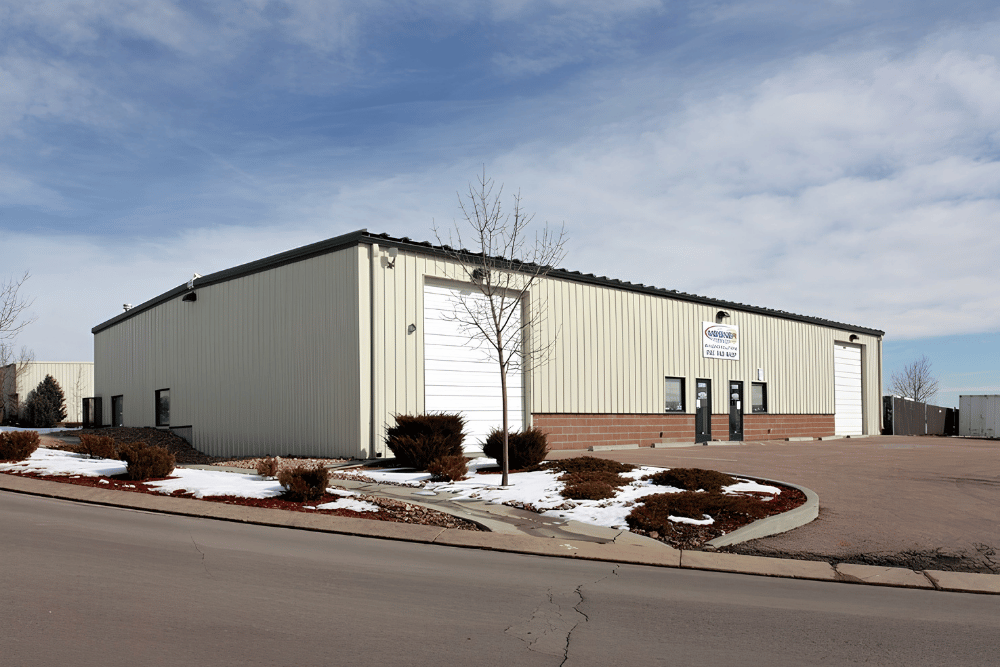
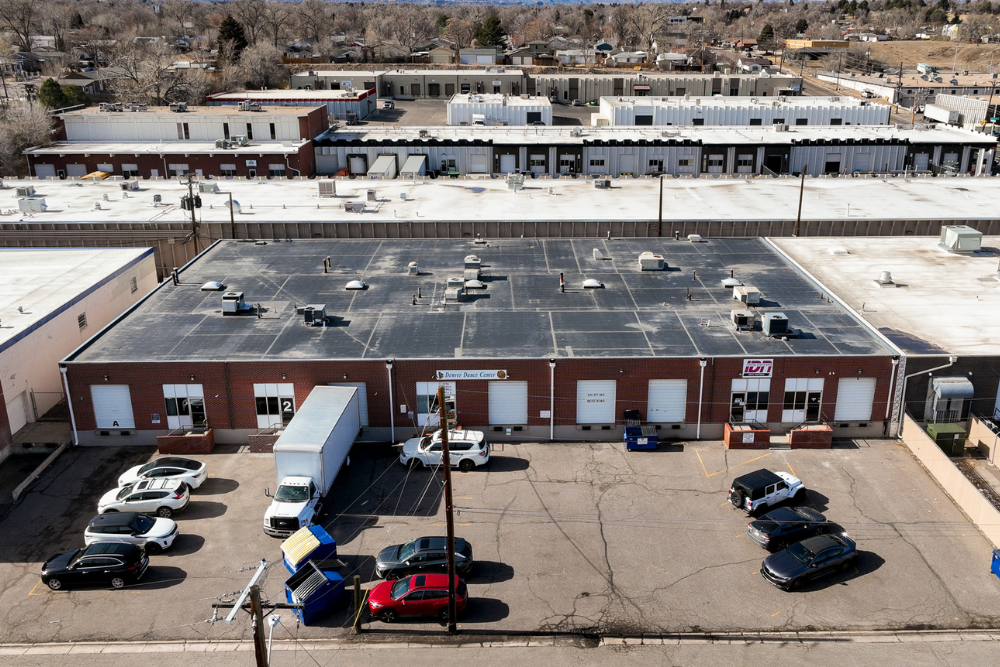
Aviva also raises an important question for commercial landlords: Can squatters take over a warehouse? George explains why commercial properties, particularly buildings that remain vacant for extended periods, can face similar risks.
The discussion then turns to title fraud and deed theft, including how forged documents may be used to create fraudulent ownership records. George explains why monitoring county property records can help owners identify suspicious changes early, before a fraudulent transfer leads to additional transactions or legal complications.
For homeowners, commercial property owners, landlords, property managers, and real estate investors, this episode offers a practical look at the risks of squatting and deed fraud, along with ways to be more proactive about property security.
Key Topics Discussed
- How squatters take over properties: The tactics George describes, including fraudulent leases, utility accounts, and claims of established occupancy.
- Why vacant properties are vulnerable: How neglected landscaping, limited inspections, and visible signs of vacancy can attract unauthorized occupants.
- Squatters in commercial real estate: Why warehouses and other commercial buildings can face occupancy risks when left vacant or unmonitored.
- How to prevent squatting: Property maintenance, regular inspections, and making vacant buildings appear actively managed.
- What property title fraud is: How forged deeds and fraudulent documents can be used to create unauthorized changes in property ownership records.
- The financial risks of deed theft: How fraudulent transfers may lead to attempted property sales, unauthorized borrowing, and costly ownership disputes.
- How title monitoring works: Why monitoring recorded property documents can help owners detect suspicious changes and respond more quickly.
- Squatter laws and property owner rights: How legal procedures differ by state and why owners must distinguish unauthorized occupants from legitimate tenants.
- Defender Networks’ property protection tools: How Squatter Defender and Title Fraud Defender are designed to help property owners understand risks and monitor title records.
- Protecting long-term real estate investments: Why proactive security, professional oversight, and early detection are important for residential and commercial landlords.
About the Guest
George McCleary is the CEO of Defender Networks, a property protection company focused on helping homeowners, landlords, and real estate investors safeguard their properties against squatting and title fraud. He is also the Principal of McCleary Realty & Development, a Portland-based real estate brokerage and investment firm specializing in residential and multifamily properties. Combining his experience in real estate brokerage, investing, and property protection, George brings a practical perspective on protecting property rights, identifying ownership risks, and helping real estate owners safeguard their investments.
About the Host
Aviva Sonenreich is the Managing Broker and Owner of the Warehouse Hotline, a Denver commercial real estate brokerage specializing exclusively in industrial properties. She leads the firm’s brokerage operations, negotiates industrial sales and leasing transactions, advises clients on acquisition and disposition strategies, and oversees the company’s marketing and business development efforts. Through Commercial Real Estate Secrets, she interviews leading investors, brokers, developers, and industry experts to provide actionable insights on commercial real estate investing, brokerage, leasing, development, and market trends.
Need Help Managing or Leasing Your Industrial Property in Colorado?
A vacant warehouse or industrial building requires more than a listing. Regular property oversight, an effective leasing strategy, and an understanding of local market conditions can help owners reduce prolonged vacancies and protect their investments.
At The Warehouse Hotline, we specialize in industrial property management, landlord representation, leasing, sales, and acquisitions throughout Denver and Colorado.
Our team helps industrial property owners market available space, attract prospective tenants, evaluate leasing opportunities, and navigate the ongoing responsibilities of commercial property ownership.
Whether you own a single warehouse or a portfolio of industrial properties, having experienced professionals involved in leasing and property management can help you stay informed about your assets and make better long-term decisions.
Looking for help leasing, managing, or selling your industrial property? Explore The Warehouse Hotline’s services and see how our team can support your investment goals.