Selling your business doesn’t necessarily mean selling the building it operates in. For some owners, keeping the real estate and leasing it to the buyer can create a new source of rental income after the company changes hands. But the decision involves more than collecting rent. The lease, property condition, and buyer’s plans can all affect the deal.
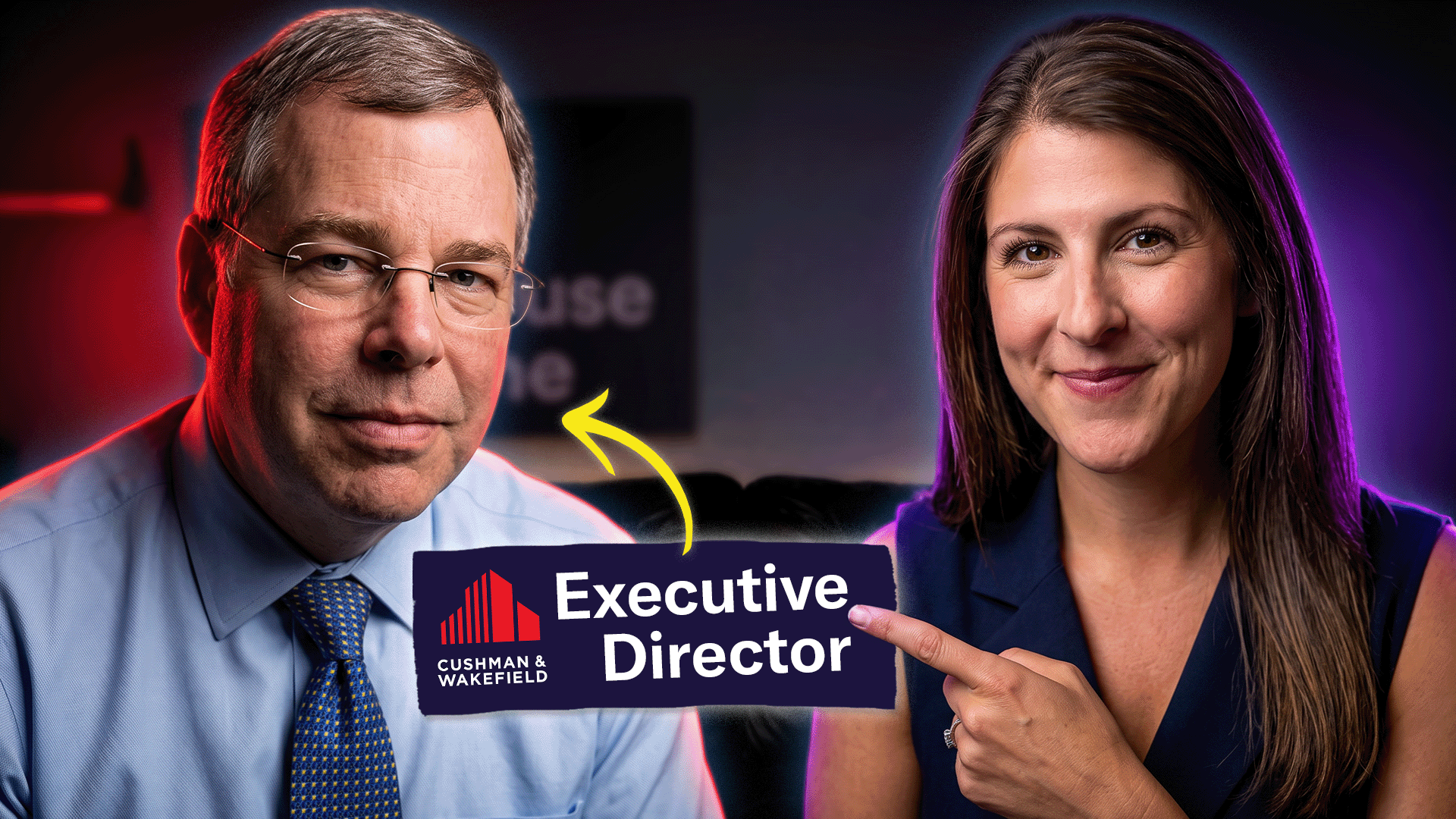
In this episode, Aviva Sonenreich and Kory Mitchell, founder of Iconic Founders Group, explore the relationship between selling a business and owning its real estate. Kory shares how he and his brother grew their family’s environmental services company into a national operation, sold the business, and retained several of its properties. The company’s new owners remain tenants in those buildings today.
Aviva and Kory discuss why business buyers may prefer to lease rather than own a company’s facilities, how rent and lease terms can affect a business valuation, and why environmental due diligence can become a major part of an acquisition. They also compare the lessons they learned growing their family businesses—and what they would do differently when buying a business or an industrial property.
Key Topics Discussed
- Why selling your operating business and selling its real estate are two separate decisions
- How retaining a warehouse can create rental income after a business sale
- Why private equity buyers may prefer to lease a company’s facilities rather than purchase them
- How above-market or below-market rent can affect a business’s reported profitability and valuation
- Why buyers may request longer leases with defined rent increases during an acquisition
- How environmental due diligence and potential contamination can complicate a business sale
- What Kory learned from growing and selling his family’s environmental services company
- How debt, acquisition financing, and interest rates influence business growth and risk
- What business buyers look for in recurring revenue, leadership, and future growth opportunities
- Why Aviva and Kory both wish they had purchased certain industrial properties earlier
About the Guest
Kory Mitchell is the Founder and CEO of Iconic Founders Group, where he helps owners of specialty contracting businesses prepare for and navigate the sale of their companies. Kory began his career in his family’s asbestos abatement business, which he and his brother later acquired and expanded through new services and strategic acquisitions. Having built and exited his own business through two transactions, including a nine-figure exit, Kory now helps fellow founders evaluate their options, connect with aligned buyers, and maximize the value of their companies while protecting the legacy they’ve built.
About the Host
Aviva Sonenreich is the Managing Broker and Owner of the Warehouse Hotline, a Denver commercial real estate brokerage specializing exclusively in industrial properties. She leads the firm’s brokerage operations, negotiates industrial sales and leasing transactions, advises clients on acquisition and disposition strategies, and oversees the company’s marketing and business development efforts. Through Commercial Real Estate Secrets, she interviews leading investors, brokers, developers, and industry experts to provide actionable insights on commercial real estate investing, brokerage, leasing, development, and market trends.
Selling Your Business? Don’t Overlook the Real Estate.
If you own the warehouse your business operates in, the property deserves its own strategy when you’re planning an exit. Keeping it, selling it separately, or negotiating a lease with the business buyer can have different implications for your future income and the transaction itself.
The Warehouse Hotline helps Denver-area business owners evaluate, buy, sell, and lease industrial real estate. Whether you’re considering a sale-leaseback, preparing to sell your building, or exploring the option of retaining it as an investment, we can help you understand your property’s market position and real estate options.